Book A Call Now | (985) 626-7900
on Google

News & Events
VoIP vs. Traditional Phone Systems: What Is the Best Phone System for Small Businesses?
Choosing a phone system used to be simple, since most offices could only pick a traditional landline package and move on, although that simplicity often came with high costs and limited features. Modern small businesses live in a different world, where clients expect quick responses, remote work is common, and every dollar spent on technology has to deliver real value. That is why the debate of VoIP vs landline business phones has become so important.
Many owners feel stuck between what they know and what they keep hearing about, because they trust the reliability of a landline while also feeling pulled toward the flexibility of cloud tools. The result can be decision fatigue, especially when vendors throw around jargon about PBX systems, SIP trunks, and hosted VoIP plans without slowing down to explain what those terms actually mean. Clear definitions and practical comparisons make the choice much easier.
Microland Computer Center works with small businesses that want technology to feel simple rather than overwhelming, which is why this guide focuses on cost, features, scalability, security, and day-to-day usability. By the end, you should feel confident about which option belongs on your short list for the best phone systems for small businesses and how a trusted local partner can help you get there.
Understanding VoIP for Small Businesses
VoIP, which stands for Voice over Internet Protocol, moves your phone calls from physical copper lines to your existing internet connection, which turns voice into digital data that travels across the network. A VoIP call can take place on a desk phone, a computer, or even a mobile app, although to your customer it still feels like an ordinary phone conversation. This shift away from physical lines is what unlocks many of the VoIP benefits for businesses you hear about.
Most modern VoIP solutions for small businesses are cloud based, meaning the “brains” of the phone system live in secure data centers rather than a box on your office wall. Your team connects to those servers over the internet, then uses whatever devices fit their role, such as headsets for call center staff or smartphone apps for remote salespeople. The provider handles upgrades behind the scenes, which keeps your system current without surprise hardware projects.
Many business owners worry that VoIP will feel complicated compared to the familiar experience of a landline, although in practice the user interface is usually more intuitive. Employees can click to call from a directory, drag calls between extensions, and check voicemail from email without needing to memorize long codes. That combination of familiar calling with modern controls is a big part of why VoIP has become the default choice for new small business phone deployments.
How Do Traditional Landline Systems Work?
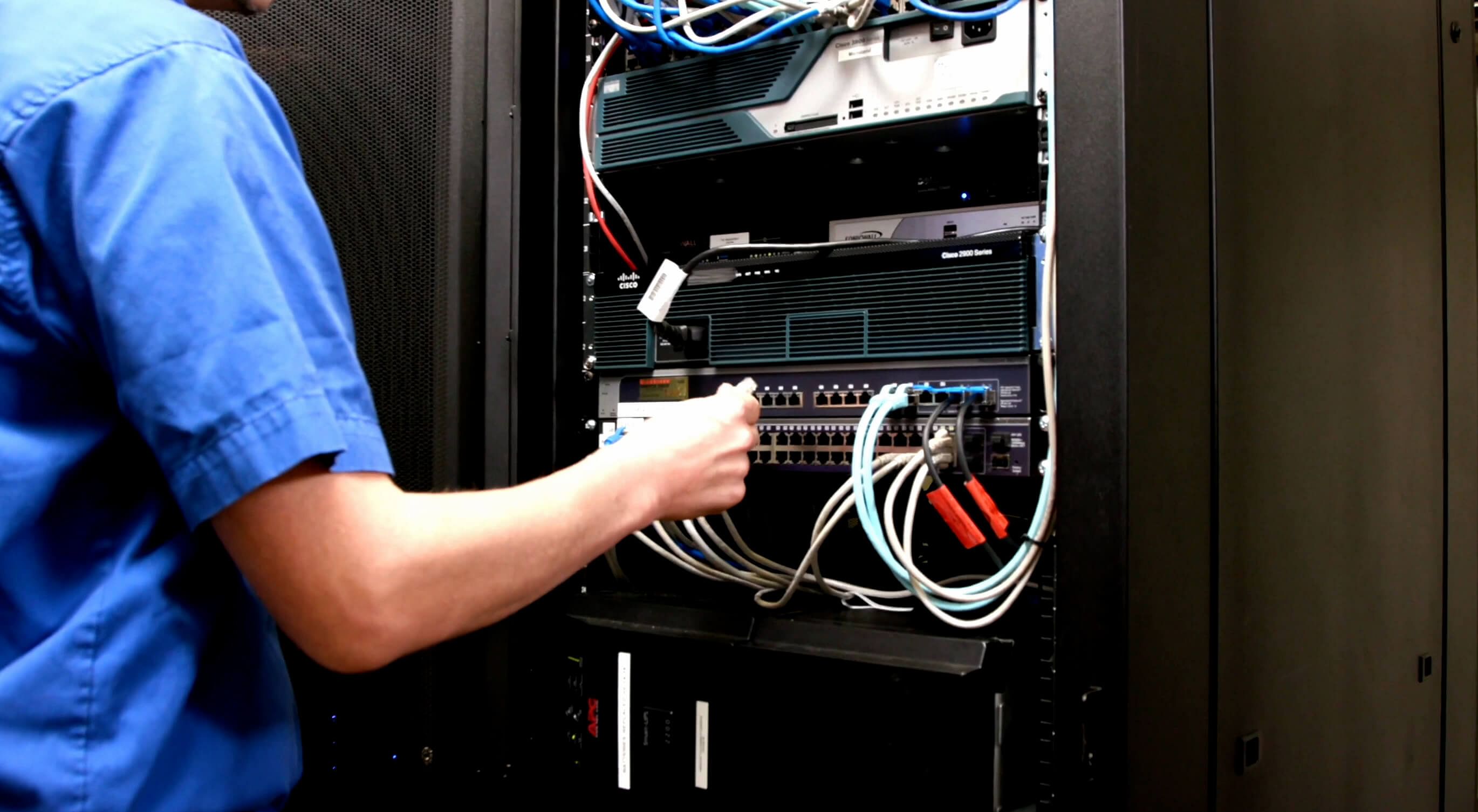
Traditional landline systems use physical phone lines that connect your building to the public switched telephone network, which is the older, circuit-based infrastructure that carried calls for decades. Inside your office, those lines usually connect to an on-premise PBX system, which routes calls to individual desk phones, manages extensions, and sometimes handles basic features such as voicemail. The entire setup depends on dedicated hardware that lives in your building.
This approach still appeals to some small businesses because it feels tangible and familiar, especially for owners who have relied on the same system for many years. There is comfort in knowing that your phones are not riding over your internet connection, particularly if you have had frustrating internet outages in the past. That comfort comes at a price, however, in the form of higher line costs, limited features, and slower adaptation to new ways of working.
VoIP vs Landline Business Costs
Cost is often the first topic in any VoIP vs landline business discussion, because monthly expenses and long-term investments affect every other technology decision. Traditional landlines typically charge per line, which means every new hire who needs a phone brings an additional recurring charge, plus the cost to install wiring and possibly new hardware. Over time, maintenance on an aging PBX system can add surprise repair bills and force you into expensive hardware replacement cycles.
VoIP pricing is usually more predictable, since most providers use a per-user or per-seat subscription that includes calling features, system maintenance, and support. You still need quality internet service and network equipment, although you are no longer paying for separate physical lines for each user. When you look at total cost over several years, many small businesses discover that VoIP reduces both direct phone costs and the indirect costs of managing outdated hardware.
Another cost factor is how you handle remote work, satellite offices, or employees who travel frequently, since landlines often require forwarding features and additional lines that increase your bill. VoIP lets those same employees use mobile apps or softphones on laptops without separate line charges, which gives you more flexibility without inflating your telecom budget. That flexibility is one of the quiet ways cloud solutions save money over time.
Features That Modern Small Businesses Really Use
Traditional landline systems were designed in an era when a few core features, such as dial tone, voicemail, and basic transfers, solved most business needs. Some higher-end PBX systems added call queues or auto attendants, although upgrades typically required new hardware cards or major configuration work from a technician. Many small businesses simply lived without advanced features because the cost and complexity were not worth it.
VoIP flips that equation by bundling advanced features into the standard offering, which means even a small team can enjoy tools that used to be reserved for large call centers. Auto attendants, call recording, voicemail to email, detailed call analytics, and integration with customer relationship management tools often come built into the platform. These capabilities directly impact how professional your business feels to customers who call in.
Collaboration features also look very different on a modern VoIP platform, since voice is only one part of the overall communication suite. Many cloud providers include video meetings, team messaging, presence indicators, and integrated contact directories that keep everyone aligned whether they are in the office or working remotely. Those capabilities support the way real teams work today, which is why they matter so much when you evaluate the best phone systems for small businesses.
Cloud-based Phone Systems vs Traditional Infrastructure
When you compare cloud-based phone systems vs traditional setups, you are really comparing where the intelligence of the system lives. Traditional systems keep most functions inside your building, which gives you direct control but also makes you responsible for hardware, power, cooling, space, and eventually replacement. Every major upgrade is a project, often with downtime and coordination between multiple vendors.
Cloud systems move that responsibility to the provider, who operates large, redundant data centers built to keep communications running around the clock. Your phones, computers, and mobile devices simply connect as clients, tapping into a feature set that stays current through software updates rather than hardware swaps. This shift lets small businesses enjoy enterprise-grade capabilities without building their own telecom environment.
Scalability and Flexibility for Growing Teams
Growth can strain a traditional landline system faster than most owners expect, since adding lines may mean running new cabling, installing additional hardware modules, or even replacing the entire PBX. Those projects take time and money, which can slow down your ability to respond to new opportunities or changing staffing needs. Seasonal businesses feel this pain acutely, since they often need to scale staffing up and down several times per year.
VoIP systems handle growth more gracefully, because adding a user typically means assigning a license and plugging in a compatible phone or installing a software client. Numbers can be reassigned, extensions can be reorganized, and new locations can be brought online with far less disruption than in the past. This is where VoIP benefits for businesses really stand out, since the technology adapts to your organization instead of forcing your organization to adapt to the technology.
Security and Reliability: Can VoIP Keep Your Business Connected?
Reliability has always been the strongest argument for traditional landline phones, which historically continued working even during power outages, as long as physical lines remained intact. Many owners worry that moving to VoIP will introduce more points of failure, especially if they have had issues with their internet service provider. That concern deserves careful attention rather than a dismissive sales pitch.
Modern VoIP and cloud phone platforms address these concerns through redundancy and smart design, using multiple data centers, diverse network routes, and built-in failover options that keep calls flowing. When combined with a stable business-class internet connection, quality network equipment, and proper configuration, VoIP reliability can match or exceed older landline systems. The key is planning, which includes evaluating your network, identifying potential bottlenecks, and setting up backup options such as call forwarding to mobile phones.
Security is another important dimension, because phone systems carry sensitive conversations and customer information that need protection. Reputable VoIP providers use encryption, access controls, and continual monitoring to protect traffic on their platforms, while a partner like Microland Computer Center can help ensure that your internal network follows security best practices. Security is never a one-time project, yet a well-managed VoIP environment gives you the tools to keep risk under control.
VoIP Benefits for Businesses That Want To Compete
VoIP benefits for businesses extend beyond technical details, since they directly influence how your brand shows up to customers. Clients who reach a clear auto attendant, get routed quickly to the right person, and receive follow-up calls from a recognizable business number are more likely to trust your company. That trust translates into repeat business, referrals, and a stronger reputation in your local market.
The ability to support remote work and flexible schedules also makes VoIP a powerful tool for retaining talent, which matters as much as retaining customers. Employees appreciate being able to take calls from home, the road, or multiple locations without giving out personal cell numbers or juggling separate devices. When your communication tools support a modern work style, your team can focus on serving customers rather than wrestling with technology.
Which Phone System Is Best for Small Businesses?
No single answer fits every situation, although patterns emerge when you look at real requirements and constraints. Businesses with very simple needs, extremely poor internet options, or highly specialized legacy integrations may still find value in keeping a traditional landline system, at least in the short term. That choice comes with trade-offs in flexibility and long-term cost, which should be documented clearly before committing to more hardware.
For most small organizations, especially those with growth plans, distributed teams, or customer service expectations, modern VoIP and cloud solutions tend to align better with business goals. The combination of predictable costs, rich features, easier scaling, and integration with other tools often makes VoIP the stronger candidate among the best phone systems for small businesses today. The right answer for your company depends on your current infrastructure, your budget, and how you expect to work over the next several years.
Partner With Microland Computer Center for a Smarter Phone System
Choosing between VoIP and traditional landlines does not have to be a guess, particularly when you have a technology partner who understands both sides of the conversation. Microland Computer Center can evaluate your existing network, review your current phone spend, and map those findings against your business goals to create a clear recommendation. That process turns abstract concepts like cloud-based phone systems vs traditional infrastructure into a practical, customized plan.
Whether you are ready to adopt a fully cloud-based VoIP solution or simply want to explore options for modernizing an aging landline system, reach out to Microland Computer Center to help guide each step, from planning and installation to training and ongoing support. Your small business deserves a phone system that grows with you, protects your reputation, and keeps you connected to the people who matter most, which is exactly what the right solution, implemented by the right partner, will deliver.